
Five years is a long, long time in motorsport.
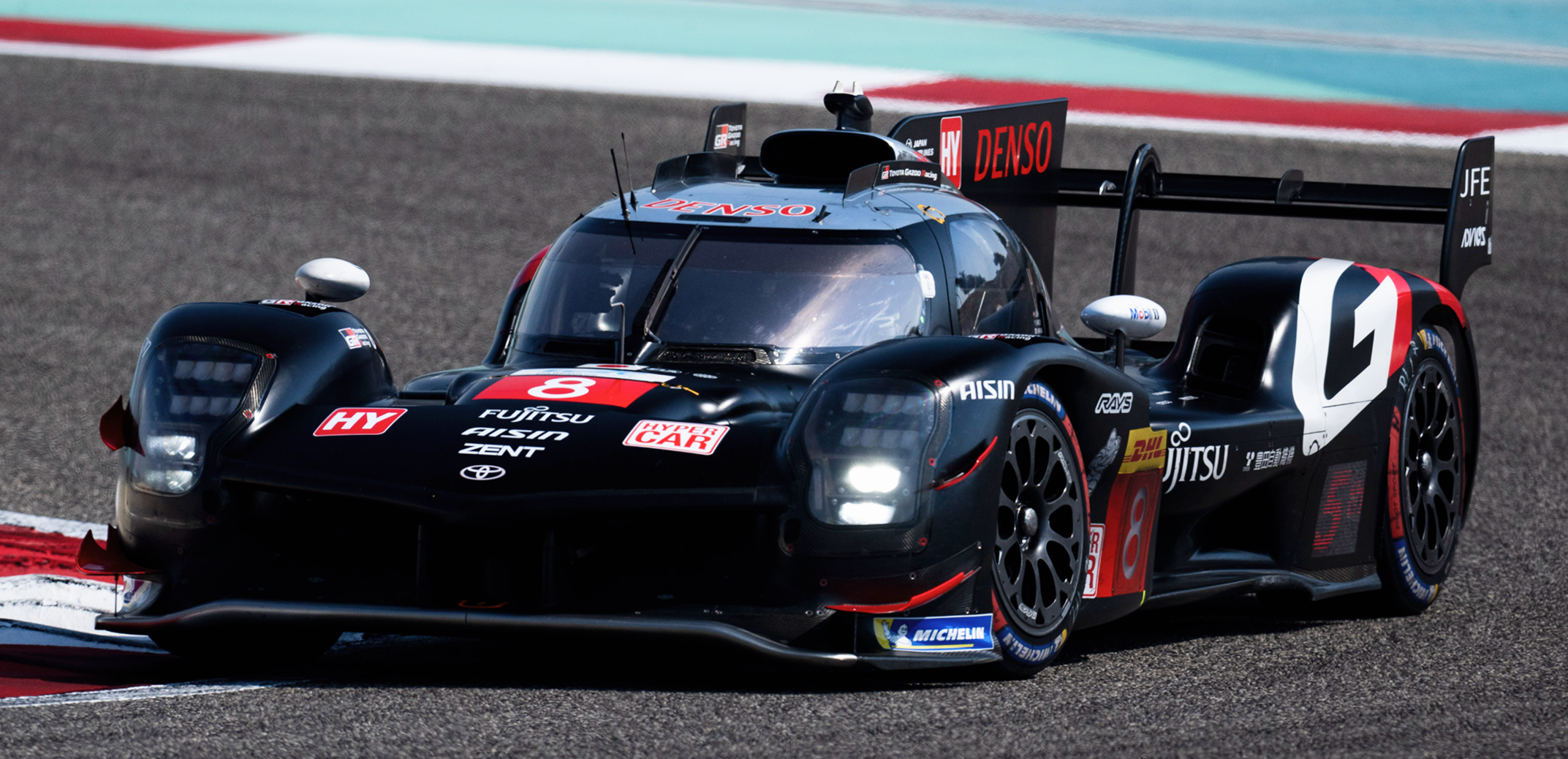
But, that's how long Toyota's GR010 Hybrid has been competing in the FIA World Endurance Championship's Hypercar class, with minimal outward-facing modifications.
In the 2021/2022 off-season, Toyota switched the car from 31cm diameter wheels on all four corners to 29cm at the front and 34cm at the rear, for the 2022 season. Reportedly, this did not require a joker.
This is a similar move made by Peugeot for the 'new' 2024-spec Peugeot 9X8.
 Tim Fullbrook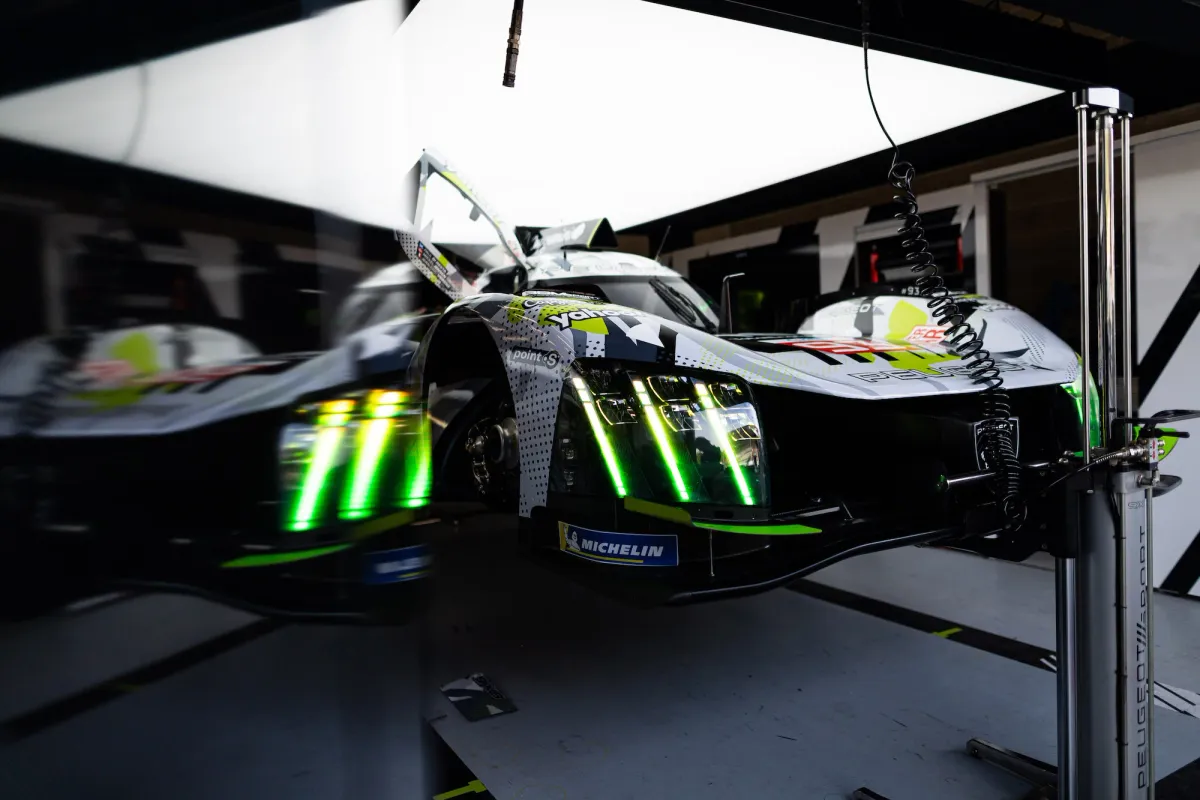
It's been reported Toyota also made major internal and mechanical changes for 2023, which may have used the manufacturer's second homologation within the LMH ruleset. But, the team is staying tight-lipped on both those subjects.
For 2026, though, Toyota will introduce an all-new version of the car, with radically different aerodynamics.
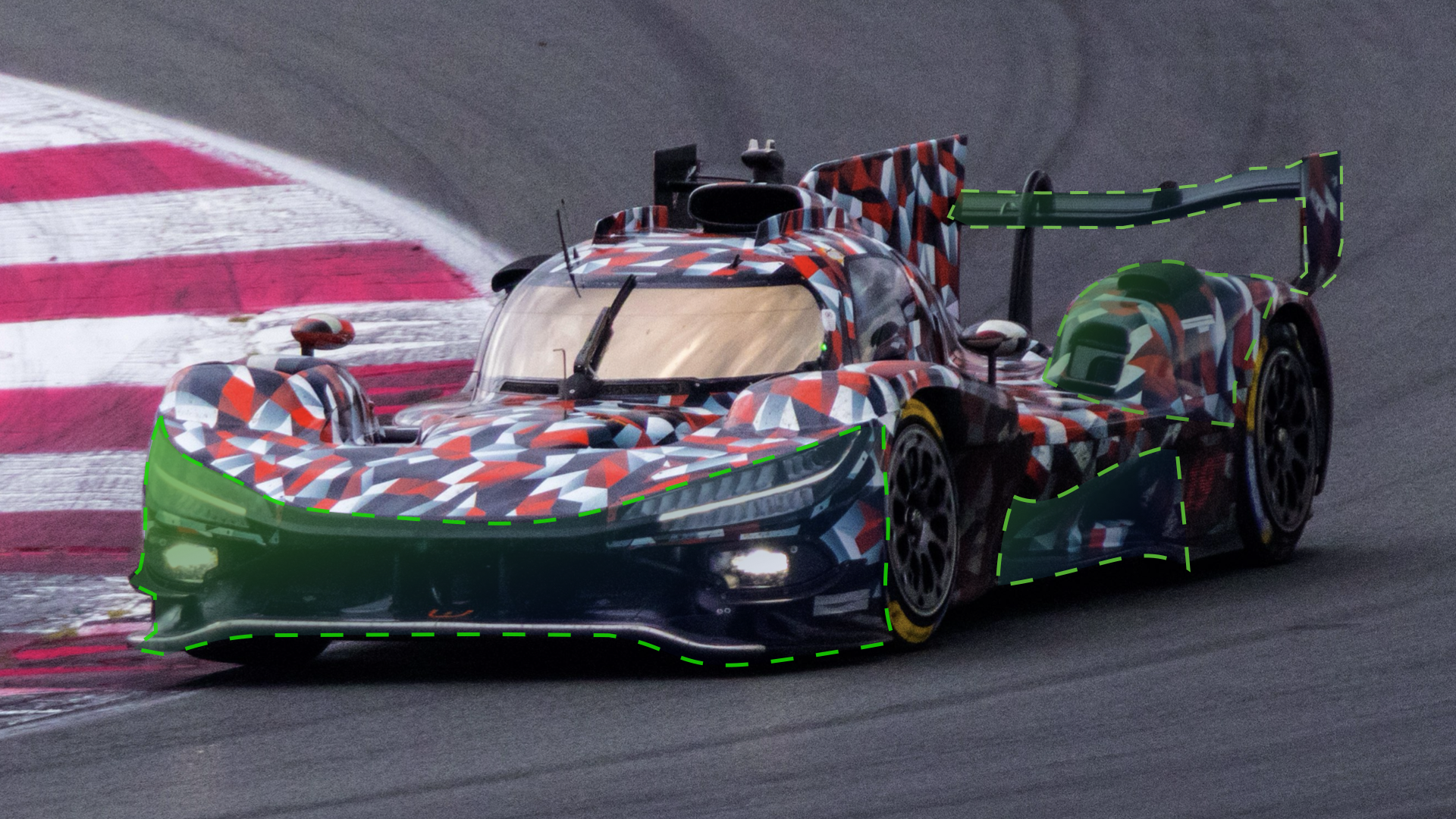
In general, the car has been refined at the front, middle, and rear, with noticeably more streamlined aerodynamics. We've tried to analyse these changes to identify what the effects may be, talking to aerodynamic experts to understand more.
We'll caveat this, of course, with the fact that these are only informed opinions: only Toyota really know the purpose of these changes.
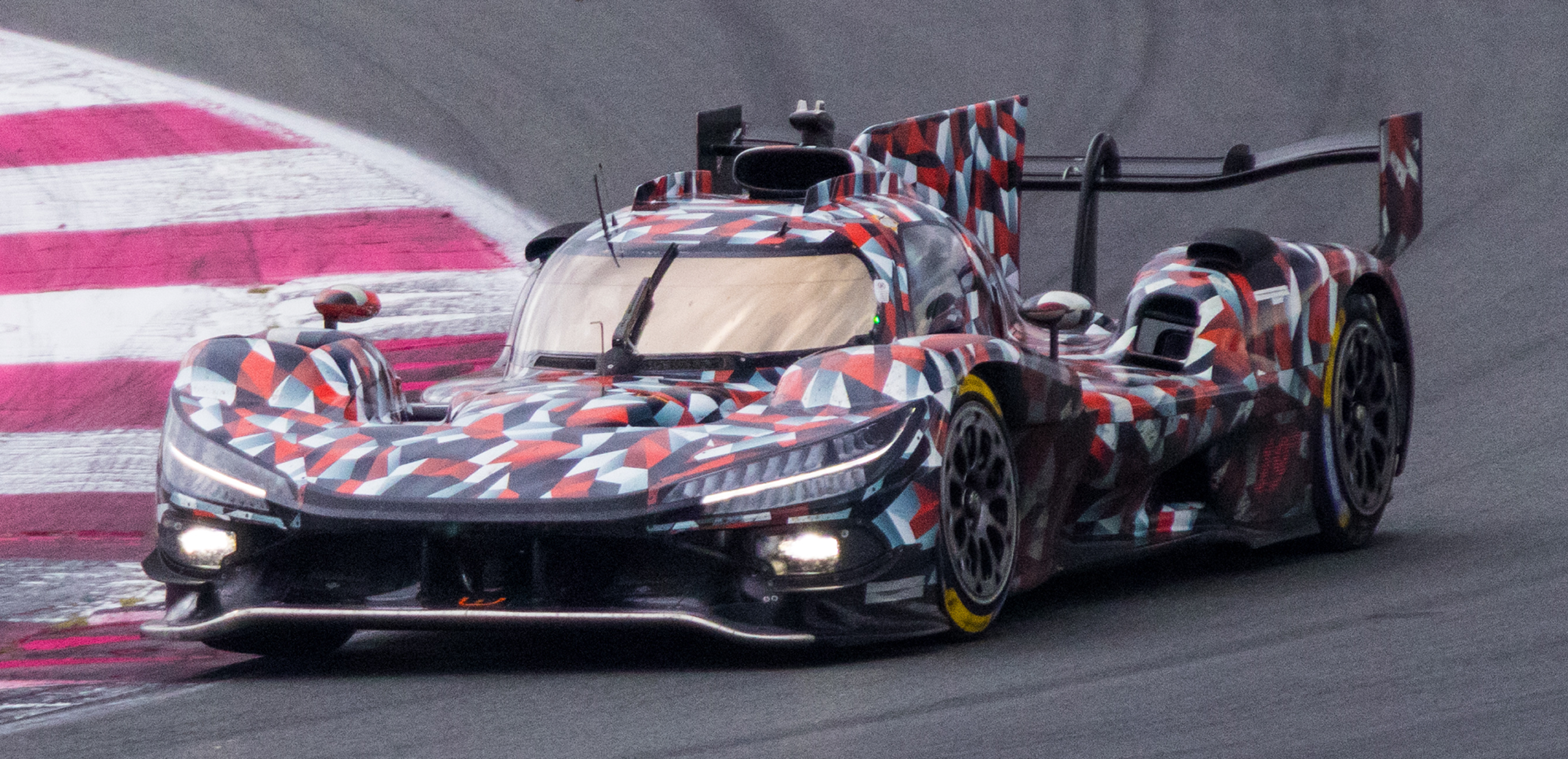
The front of the car sees a completely revised nose section and headlights. The slightly triangular nose is now gone, replaced by slightly curved section which resembles that of the Ferrari 499P, Porsche 963, and Cadillac V-Series.R.
Gone are Toyota's traditional headlights, used in some form since the brand debuted in WEC in 2013 with the TS030. Instead are more aggressive 'slit' headlights which bleed into the front nose section.
There are also some smaller headlights underneath the ones on top, to the left and right of the cooling. It's hard to tell for sure but the internal structure inside the cooling inlet may have changed too.
 Phil Oakley
The wheel arches look less pronounced, too – less boxy, and flatter.
Put together, it's likely these changes reduce drag – a key factor in WEC and especially Le Mans, where around 70% of the lap is spent at full throttle.
It should also help increase the amount of downforce the car produces, helping to reduce the understeer inherent to the LMH and LMDh rulesets, which every team has struggled with to some extent in the Hypercar/GTP era.
Support Only Endurance's independent sportscar journalism today from £1/$1/€1 a month
It may also help to make the car more predictable and consistent on the yaw axis, when the car rotates through the corner. This is because, in the 2025 version, when the air hits the front end of the car, it shifts abruptly, disrupting the flow and subsequently the downforce generated.
In the 2026 version, because the front end is now smoother, the shift to the air will be less abrupt, helping to make the car's behaviour more predictable and consistent.
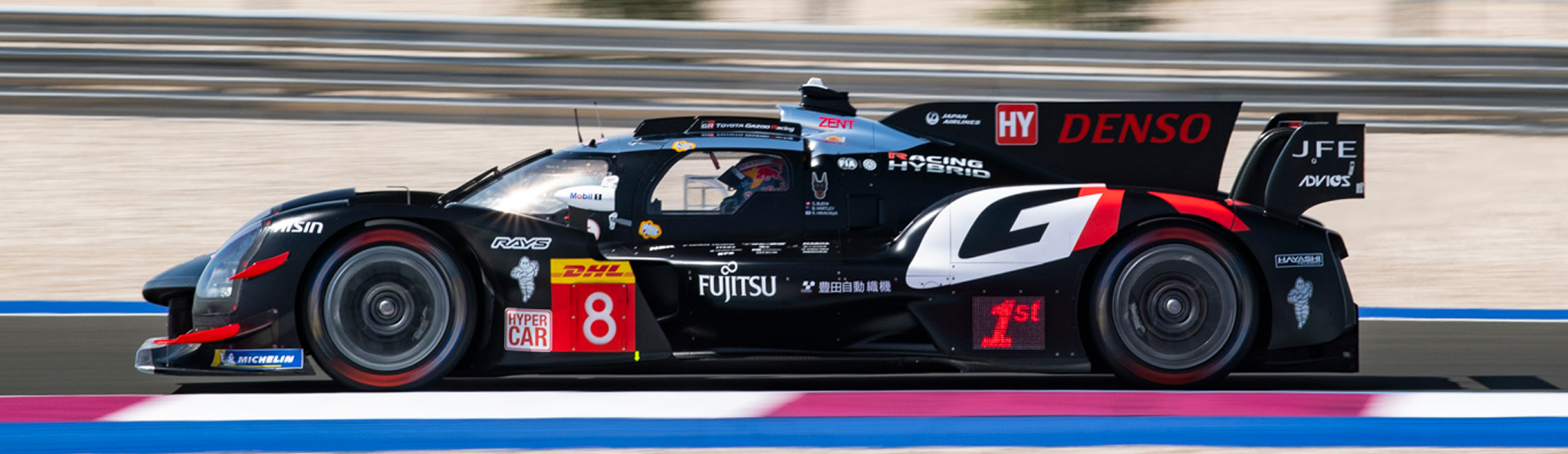
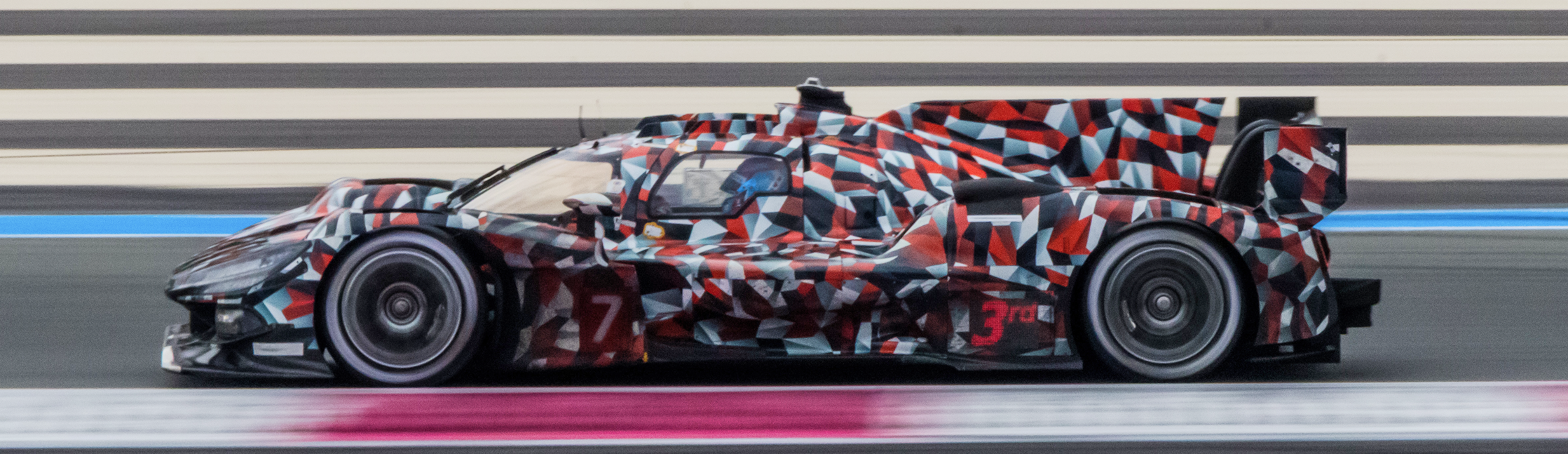
Looking from the side, it's clear again how much the front end has changed. The front wheel arches are indeed significantly flatter, with a completely different shape.
The cockpit area is much the same. The shark/dorsal fin also looks similar, although the part which connects to the cockpit looks very slightly reprofiled to our eyes, with the upper edge of the fin at a slight angle compared to the 2025 version.
The big change past the cockpit, though, is the sidepod area. Much like at the front, the front of the rear wheel arch is much less pronounced and the arches sit much lower over the top of the wheels and tyres themselves.
 Tim Fullbrook
There also seems to be some very subtle reshaping just past the front wheel arch. It's hard to see, but in the same trend as the other changes to the front end of the car, it may bring a small drag reduction and small increase in front downforce.
Looking towards the back of the car, the rear wing is also substantially different. The ends of the wing, which connect to the endplate, tilts upwards, instead of the previous straight version.
This may also have the impact of reducing drag from the rear of the car, but it could equally decrease the amount of rear downforce the car is able to generate.
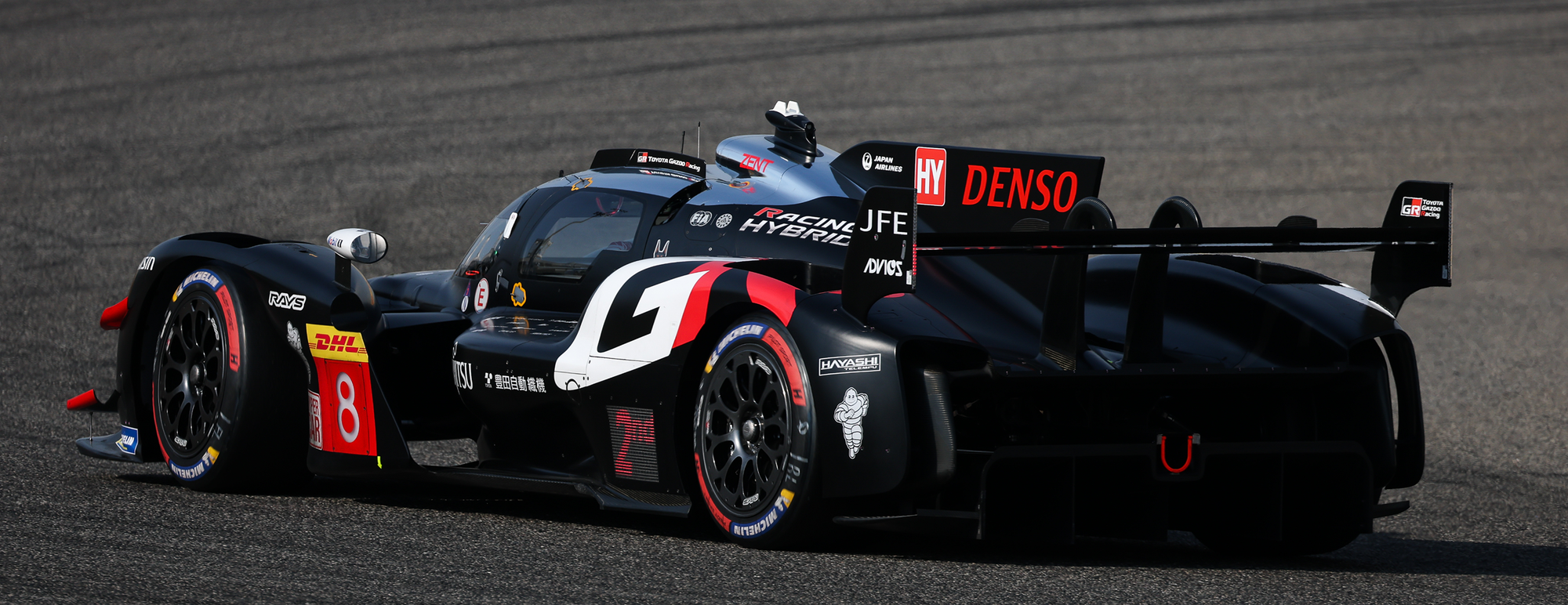
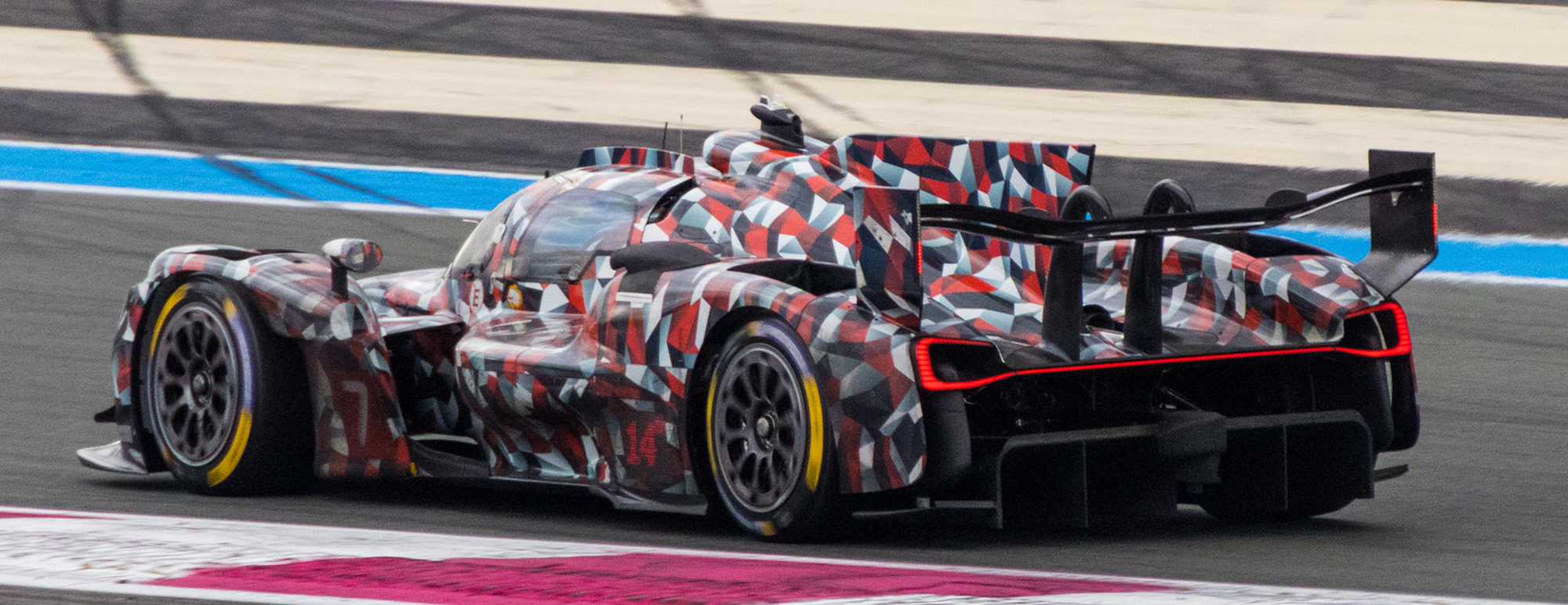
This may also decrease aero interference between the underside of the wing and the rear fender. Like the other changes, it's possible the effect here will be a drag reduction, with a possible increase in rear downforce too.
Finally, the endplates have also changed shape. This may not have a measurable impact on downforce or drag, but may instead help the car's stability, especially at high speed or as the car rotates through corners, again on that yaw axis.
While the downforce and drag coefficient is obviously incredibly important in car design – so is driveability. Any improvements will likely be appreciated by the drivers, especially if it was having a noticeable impact in the past.
There's also a new cooling element, which we can see much more clearly from the front of the car, sitting on top of the wheel arch.
 Tim Fullbrook
Typically, elements such as this worsen airflow and aerodynamics, as they increase drag and produce more lift or less downforce. So, the placement of this element becomes incredibly important to minimise this negative impact so the effects are as small as possible.
It also may point to Toyota making changes under the hood, which would almost certainly use another joker.
However, it is possible at least some of these changes may be designed to fool other teams into looking at one area of the car where a change has minimal impact, while another area of the car has more impact. Teams and manufacturers use this tactic to distract rivals from where the gains actually are, and it's possible Toyota is doing the same with the various changes to the 2026 car.
Realistically, we'll have to wait and see how the revised Toyota GR010 Hybrid performs, and what the drivers have to say. The team will be hoping it takes Toyota back to the top after a tough 2025 – let's see what happens next year.
Photos: DPPI/WEC, Toyota/James Moy Photography/CHHD Photography for Only Endurance
This post is brought to you by The Racing Line, your personalised motorsport calendar app. Get session times for over 150 series, from rally to bikes, single seaters to sportscars with customisable notifications and built-in streaming. Download on iOS today!